Skip to content

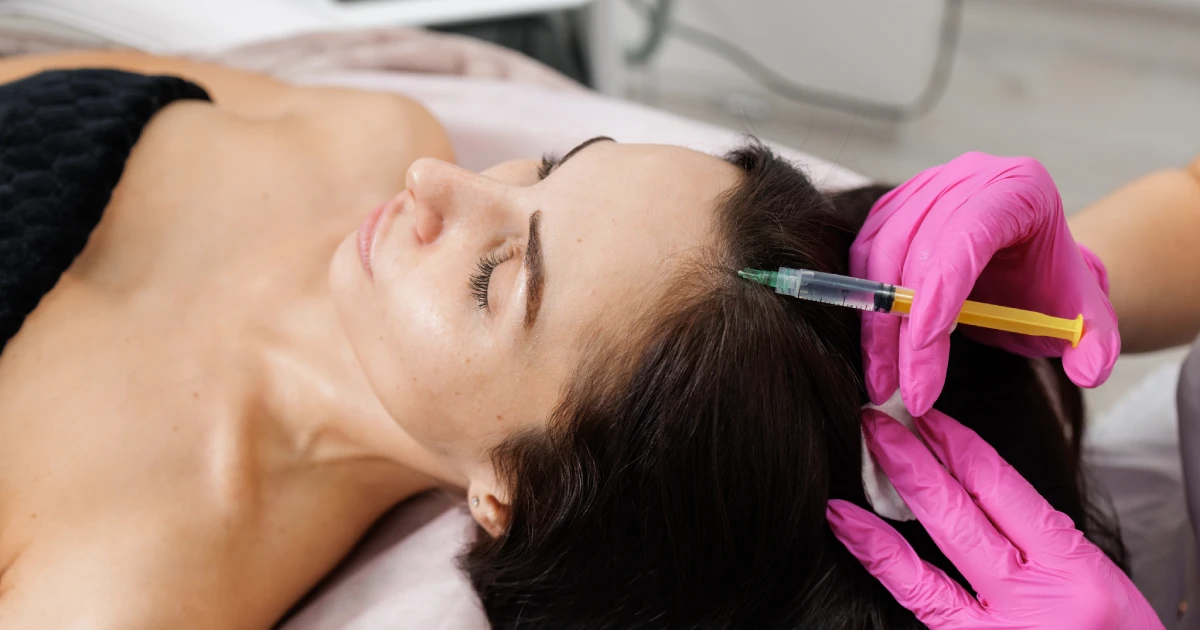
Table of Contents
It can be frustrating to deal with hair loss, especially when you feel like you are doing everything right but still notice changes like a wider part or a thinner ponytail. Many people in their 30s, 40s, and 50s start searching for safe, effective solutions that are not too aggressive. This is often when PRP therapy for hair restoration becomes an option to consider.
Sheperd Integrative Dermatology in Mount Pleasant, SC, focuses on treatments that support both your skin and overall wellness by combining medical dermatology with integrative care. PRP is a good choice for people who want a natural, science-based option that also fits into a busy lifestyle.
How PRP Works As Platelet-rich Plasma Therapy for Hair
PRP stands for platelet-rich plasma. In this therapy, your provider takes a small sample of your blood, spins it in a centrifuge, and separates out the plasma that is rich in growth factors. This concentrated plasma is then injected into your scalp, and sometimes combined with microneedling to better reach the hair follicles.
These growth factors signal your hair follicles to act more like they did when you were younger. With several sessions, PRP can help:
- Support follicles that are weakening or shrinking
- Improve hair density and thickness in areas that are thinning
- Slow the pace of ongoing shedding
At Sheperd Integrative Dermatology, PRP is usually done in a series of sessions spaced a few weeks apart, with maintenance visits a few times a year to keep up the results. Each treatment is fairly quick, and most people return to their normal activities the same day. During the injections, you may feel brief pressure or pinching.
Real-world Benefits of PRP for hair loss
Many patients want to understand the real, practical benefits before deciding. This is where PRP for hair loss stands out. People often appreciate PRP for these reasons:
- Uses your own blood components
Because PRP uses your blood, there are no synthetic fillers or foreign materials. This makes it appealing to people who want a more natural approach. - Supports existing hair, not just new growth
PRP can improve the texture, thickness, and strength of your existing hair, which is important if your hair is only thinning a little or moderately. - Fits busy schedules
Sessions are usually short and require little downtime. You might notice some temporary redness or tenderness, but most people get back to their usual routines quickly. - Can provide long-term improvement
With the first treatments and regular maintenance every few months, many patients notice ongoing improvements in how their hair looks and feels. - Works well within a bigger plan
PRP can be combined with medical treatments, topical products, and lifestyle changes that support your scalp and hair health. Your dermatologist can explain how PRP fits into your overall plan.
PRP Therapy for Hair Restoration vs. Other Hair Restoration Treatments
If you feel overwhelmed by all the options, you are not alone. Many people want a clear hair growth treatment comparison to see how PRP measures up. The choice between PRP and other treatments often depends on how aggressive you want to be, how quickly you want results, and what kind of maintenance you prefer.
PRP Compared with Topical and Oral Medications
Topical products like minoxidil and oral medications can slow hair loss and help with regrowth, especially for androgen-related thinning. These are widely used, but results may take months, and you usually need to keep using them long-term to keep the benefits.
PRP works in a different way. Rather than changing hormone activity, it nourishes the hair follicles with growth factors. Many patients use both approaches: medication for ongoing support and PRP to help wake up or strengthen the follicles for more noticeable results.
PRP Compared with Hair Transplant Surgery
Hair transplant surgery moves hair follicles from a donor area to spots with thinning or bald patches. It can create much thicker hair in certain areas, but it is still a surgical procedure that requires recovery, may leave scars, and usually costs more upfront.
PRP is a non-surgical hair restoration option, so it is less invasive and usually easier to fit into your routine. It works well if you still have hair, but it is thinner, weaker, or shedding more than you want. PRP is not a substitute for transplant surgery in cases of severe baldness, but it can sometimes delay surgery or help support transplanted hair afterward.
PRP Compared With Devices and In-Office Light Treatments
Laser caps, LED devices, and in-office light treatments use light energy to stimulate hair follicles. Some people like using these at home, but they require regular use and patience.
On the other hand, a trained medical provider directly injects PRP into your scalp, providing a more hands-on experience. Many patients use light-based treatments along with PRP to support their hair follicles in different ways. Your dermatologist can explain how these options can work together for you.
What to Expect from a Course of PRP Therapy
A typical PRP hair treatment plan at Sheperd Integrative Dermatology includes three initial sessions about 5 to 6 weeks apart, followed by maintenance visits every 4 to 6 months.
This is what you can usually expect:
- Early phase
In the first few weeks, you may notice less shedding and some small changes in hair texture. Taking photos at each visit can help you see these changes. - Three to six months
This is often when patients start to see fuller hair or better coverage in the treated areas. Hairs that were getting thinner may begin to thicken again. - Long term
With regular maintenance, many patients keep their results and feel more confident about their hair over time. Results vary from person to person, and your provider will give you an honest idea of what to expect for your type of hair loss.
Ready to Compare Your Options With a Specialist
If you are deciding between medications, devices, surgery, and PRP therapy for hair restoration, it can help to speak with a dermatologist who is experienced with all these options. A consultation at Sheperd Integrative Dermatology lets you ask questions, review your scalp exam, and make a plan that fits your goals and lifestyle.
PRP is not a magic solution, but it is a solid choice for people who want a natural, medically guided approach that supports their existing hair and fits into their daily routine. When you are ready to discuss what works best for you, book a consultation to compare your hair restoration options.
If you have questions about PRP, medications, or other hair treatments before making a decision, contact Sheperd Integrative Dermatology. The team is happy to explain the details and help you understand your options.